
My Blog
Alcohol Blackouts Explained: Causes, Risks & Prevention Arrowwood

Alcohol is a depressant, and when consumed quickly, it can rapidly suppress brain function. This suppression interferes with the brain’s ability to transfer short-term memories into long-term storage, a process known as memory consolidation. During a blackout, the brain is still capable of functioning in the moment, but it cannot retain new information. By drinking slowly, you give your brain more time to process alcohol and maintain normal cognitive functions, reducing the risk of this memory impairment. Practical steps can mitigate the risk of blackouts and protect the hippocampus.
Prevention Tips: Strategies to avoid blackouts, like pacing drinks and hydration
Additionally, enzymes like alcohol dehydrogenase (ADH) vary genetically, affecting how quickly alcohol is metabolized. Slower metabolizers are at higher risk for blackouts even at lower consumption levels. Genetic predisposition can play a role, as individual variations in alcohol metabolism or brain sensitivity may make some people more prone to blackouts.
Diabetes Medications
Additionally, age is a significant factor; young adults, particularly those aged 18–25, are more prone to blackouts due to both developmental brain vulnerabilities and higher-risk drinking patterns. Women, too, are at greater risk due to differences in body composition and metabolism, often experiencing blackouts at lower BAC levels than men. These disparities underscore the interplay between biology and behavior in blackout occurrence. Behavioral changes often accompany blackouts, serving as warning signs of deeper issues.
Moderate alcohol consumption, therefore, does not need to result in large carb counts. That means that you’re just as likely to have blood sugar issues the morning after drinking. And the more you drink, the greater the likelihood of low blood sugar, and the less capable you will be of dealing with it.
- Having a blackout doesn’t necessarily mean that alcoholism is present, but it can serve as a red flag and a sign to bring up the question.
- We offer a variety of comprehensive programs and resources tailored for individuals struggling with substance abuse, including evidence-based therapies and holistic approaches to recovery.
- If you’re not sure whether your medicine can cause a hypo or if they’re affected by alcohol, speak to your healthcare team.
- Studies have also found that women may be at greater risk of blackouts even though they generally drink less alcohol less frequently than men.
Alcohol’s Impact on Memory Formation
While blackouts can be a sign of problematic drinking, they https://ecosoberhouse.com/ are not exclusive to alcoholism. However, frequent or recurring blackouts are a red flag and may indicate a serious issue with alcohol use. If blackouts are occurring, it is important to seek professional help to assess and address potential alcohol-related problems. In conclusion, while both short-term and long-term memory loss are tied to alcohol use, their origins, manifestations, and management strategies differ profoundly. Recognizing these distinctions is crucial for addressing the specific challenges each presents, whether through immediate behavioral adjustments or long-term therapeutic interventions.
- People may not remember the events that occurred during the time when their BAC was elevated.
- Living with diabetes does not necessarily mean you have to avoid alcohol completely.
Alcohol and Diabetes: Understanding the Impact
- Under the influence of excess glucagon, some of the free fatty acids are converted to ketone bodies and secreted into the blood, causing severe health consequences.
- Drinking alcohol on an empty stomach significantly increases the risk of blackouts due to the rapid absorption of alcohol into the bloodstream.
- For those with alcohol use disorder, blackouts often serve as a red flag, signaling advanced neurological impairment.
- For instance, a 150-pound adult should avoid consuming more than three drinks in a single evening to minimize risk, especially if drinking on an empty stomach.
- Drinking too much – on a single occasion or over time – can take a serious toll on your health.
This is because alcohol disrupts the memory centre of the brain (hippocampus). THC, the psychoactive compound found in marijuana, may also increase blackouts when combined with alcohol. It’s important to remember that a blackout isn’t the same as passing out. Someone who passes out has either fallen asleep or become unconscious because they consumed too much alcohol. If you experience a partial blackout, visual or verbal cues may help you remember forgotten events. For people living with diabetes, simple dietary and lifestyle choices can have a large impact.
Second, establish a “stop signal” with trusted friends who can intervene if behavior suggests impairment, even if outward signs are minimal. Finally, monitor for blackout patterns—frequent memory gaps after drinking are a red flag warranting professional assessment. It’s important to note that individuals experiencing a blackout are not unconscious; they appear awake and functional, which can Halfway house be misleading.
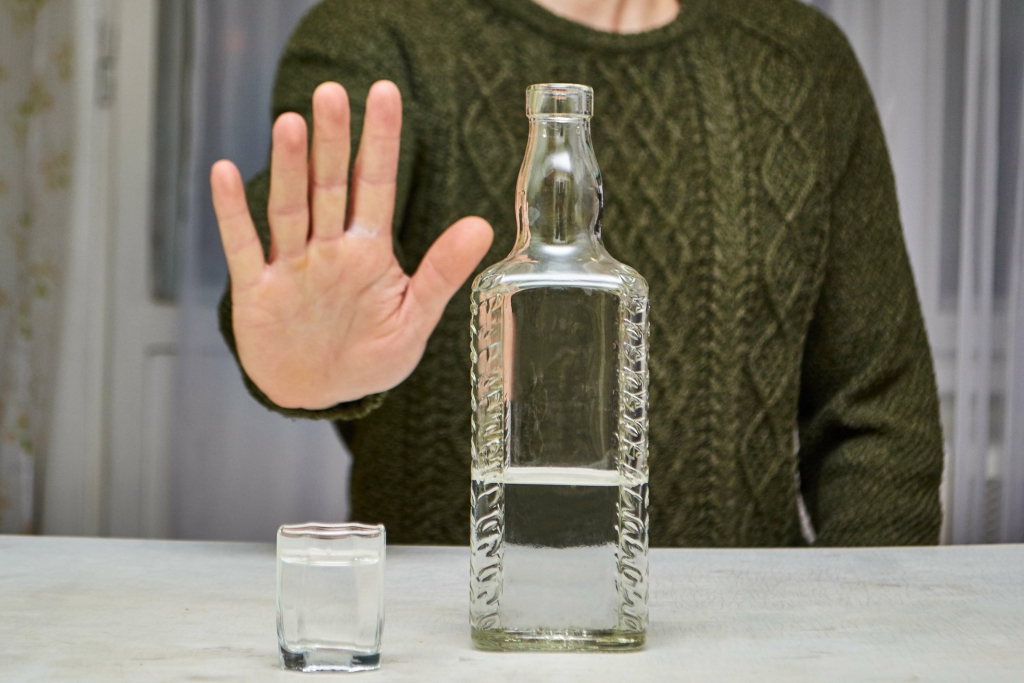
If you drive a car, for instance, you not only put your own life at risk but the lives of those around you. Here is an explanation of what could cause blackouts and information to help you know what you need to do if you or someone you’re with has one. People with type 2 diabetes are recommended to limit their intake of alcohol. People with diabetes are recommended to limit their alcohol intake, as are the rest of the population.

How to keep recharged and avoid emotional burnout
Understanding blackouts is crucial, as they pose significant risks, including dangerous behaviors, accidents, and long-term cognitive damage, while also serving as a warning sign of problematic drinking habits. The speed at which you consume alcohol plays a significant role in whether you experience a blackout. When you drink rapidly, your body is overwhelmed by the sudden influx of alcohol, leading to a spike in blood alcohol concentration (BAC). This rapid increase can outpace the liver’s ability to metabolize alcohol, which typically processes about one standard drink per hour. what happens if a diabetic drinks too much alcohol As a result, alcohol accumulates in your bloodstream, affecting your brain’s ability to form new memories. This is a key factor in blackouts, as the brain’s hippocampus, responsible for memory formation, becomes impaired before other cognitive functions, making it difficult to recall events that occurred while intoxicated.
Addiction is a progressive illness, so someone who is in the early stages of alcoholism will not get better without treatment. Experiencing “lost time” after a night of drinking is often portrayed in pop culture as a sign of an epic party. Memory loss related to alcohol consumption can be an indicator of serious substance abuse issues. They do sometimes occur in conjunction, but for the most part, people who are experiencing a blackout can still move around and may generally act like they’re having a great time. However, their judgment and decision-making are severely impaired even if they don’t realize it, making it difficult to convince the person not to engage in risky behavior.
At the heart of this phenomenon lies the hippocampus, a seahorse-shaped structure critical for converting short-term memories into long-term storage. When blood alcohol concentration (BAC) reaches approximately 0.15%—roughly double the legal driving limit in many countries—the hippocampus begins to falter. This disruption isn’t merely about forgetting; it’s a temporary shutdown of memory formation, leaving a blank slate where experiences should be recorded. Understanding this mechanism sheds light on why blackouts occur and why they’re a red flag for both brain health and drinking habits. To grasp how BAC leads to blackouts, consider the stages of intoxication. At a BAC of 0.08%, the legal limit for driving in many regions, coordination and judgment are already compromised.