
My Blog
Understanding the Cycle of Addiction and the Steps To Recovery

Many people find that when they engage choose the correct cycle of addiction. in these creative therapies, they feel less stress and can let go of guilt. We know it can be unsettling to share your deepest concerns and fears, but we’ll be with you each step of the way. In both inpatient and outpatient rehab, our compassionate and professional staff help patients navigate the recovery experience. Having sought help, this stage is where the user engages and commits to a recovery program and all of its facets.
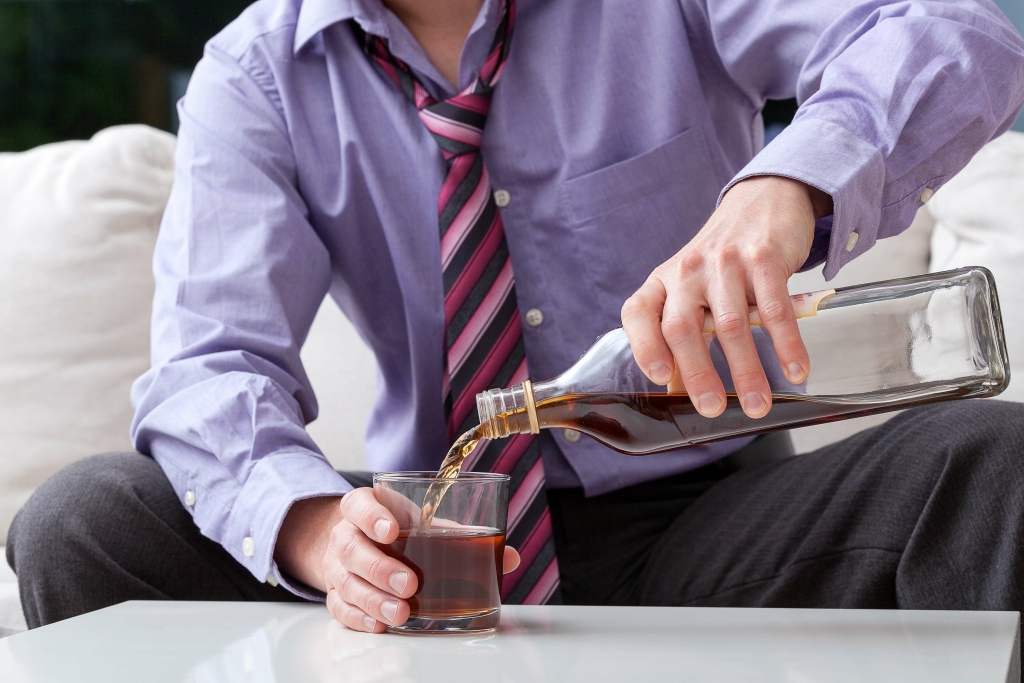
What Are the 5 Stages in the Addiction Cycle?

However, relapse is also a critical point where intervention, support, and learning from the experience can help the person get back on track. It’s important to address the reasons for the relapse and reinforce the strategies that help prevent future relapses. Addiction is a chronic, often relapsing disorder characterized by a compulsive need to seek and use the substance or engage in the behavior, despite the negative consequences.
Substance Abuse
- Depending on many genetic and environmental factors, some first-time users may not continue the cycle of addiction.
- At its core, addiction is driven by the powerful reward system in the brain.
- Relationships suffer as users prioritize drugs over loved ones, leading to conflicts or estrangement.
- Each substance has unique characteristics and effects on addiction.
Individuals work to prevent relapse by continuing with their support networks and practices learned in earlier stages. Action is the stage where individuals actively implement their plans. They may enter a treatment program, attend Substance abuse support groups, or change their environment to avoid triggers. Cravings can become overwhelming, leading to behaviors that prioritize substance use above everything else.
Why Do Addicts and Alcoholics Relapse?
Tolerance not only increases consumption but also intensifies the cycle https://smpislamalazhar15cilacap.sch.id/20-long-term-effects-of-alcohol-use-on-the-body-3/ of addiction. Addiction is a complex condition characterized by compulsive substance use despite harmful consequences. It primarily affects brain functions, influencing circuits related to reward and emotion dysregulation. We understand the challenges of this stage of life, and our program is specifically built to serve the mid-life adult in a meaningful and individualized way. This is often characterized by feelings of hopelessness, regret, and self-loathing. They may feel trapped in the cycle, believing there is no way out.
They may deny the existence of a problem or feel ambivalent about change. Understanding the triggers that lead to relapse can be crucial for developing effective prevention strategies and support systems. It can lead to increased risk, as individuals may turn to more potent substances to satisfy their altered needs and cravings. This means that the individual requires higher doses to achieve the same effects previously experienced with lower amounts.